Mining Machinery With No Cell Coverage: Green Mining Case
At a mining plant in La Rioja, Argentina, there is no cell signal. The only link between the site and the outside world is a Starlink antenna. That is where Green Mining runs its shaking tables (concentrating tables), and the company needed to know something simple: how many hours each table runs, and when it is switched on and off.
Three companies solved it together: Aker Control provided the platform and the client relationship, IT&T Argentina, based in Mendoza, did the engineering, and Rinho supplied the device, a Zero IoT on each table.

🎯 Who this article is for: mining, industrial or agricultural companies that need to measure usage hours of fixed machinery at sites with no cell coverage.
Green Mining: mining without chemicals

Green Mining is an Argentine-Italian mining company focused on the exploration, extraction and sale of minerals, mainly gold and strategic elements. Its approach is sustainable mining: it separates minerals using their physical and magnetic properties, without chemical agents.
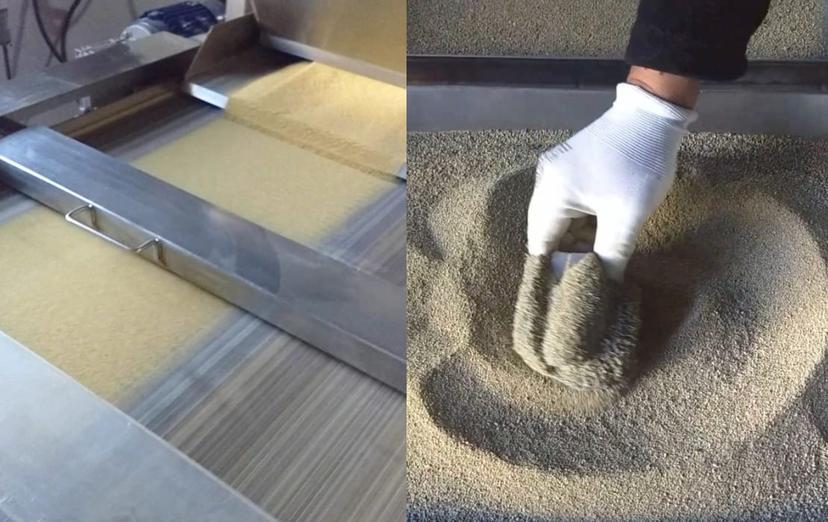
Shaking tables fit that approach, because they separate ore by vibration and gravity. They are key equipment at the plant, and knowing how much and when they run is first-hand operational data.
The challenge: measuring machinery where cell signal doesn't reach
Shaking tables are fixed machines. They are not vehicles, so a "fleet" tracker does not solve the problem out of the box. Green Mining set three goals:
- Track the running hours of each table.
- Detect use outside working hours.
- Know that the table is still where it should be.
And two conditions made it harder:
- ❌ No cell coverage at the site. A device that relies on its 4G modem cannot report.
- ❌ The tables run indoors. According to Aker, other providers they consulted said the device would not get a good position fix under a roof, and turned the job down.
Two architectures evaluated
Before installing, Aker and IT&T compared two alternatives and presented them to the client:
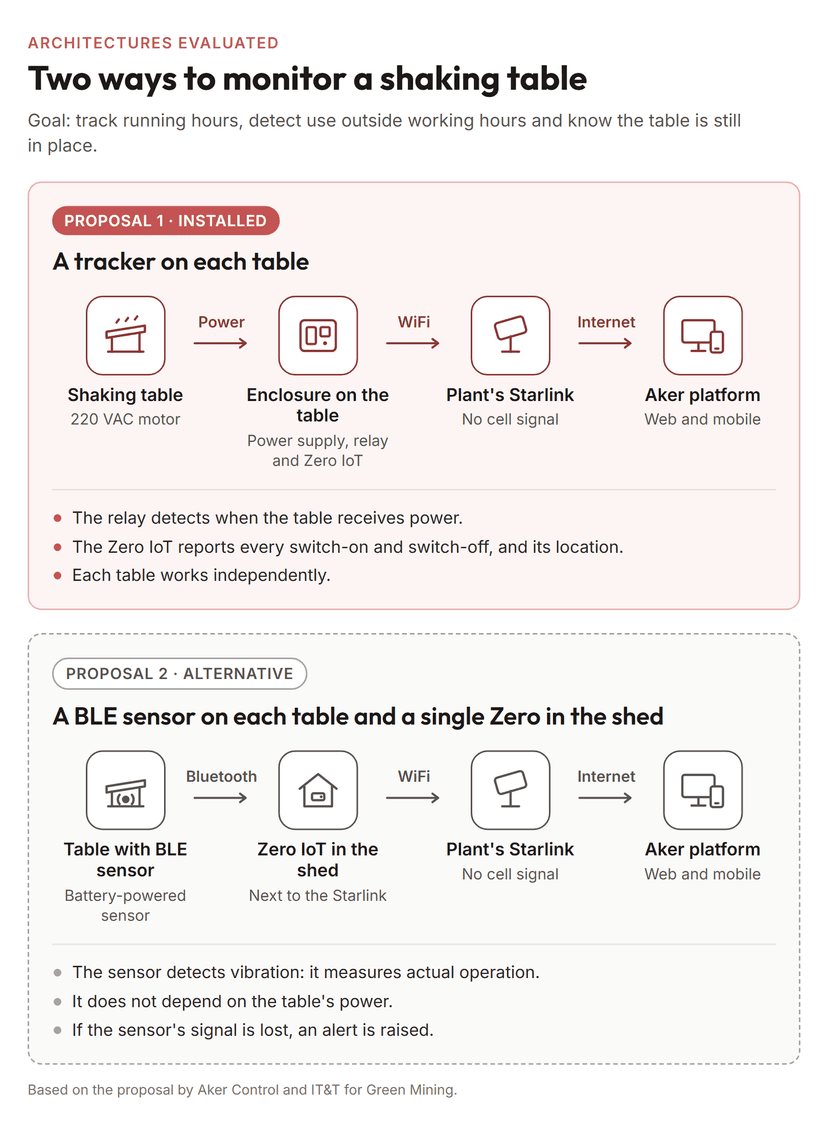
| Proposal 1: a tracker on each table | Proposal 2: BLE sensor + Zero in the shed | |
|---|---|---|
| What gets installed | An enclosure with a Zero IoT and power supply on each table | A BLE sensor on each table and a single Zero next to the Starlink |
| What detects operation | The table receiving power | The table's vibration |
| Power | Uses the table's power, with the Zero's internal battery as backup | The sensor runs on battery |
| If the device is removed | The enclosure stops reporting | The sensor's BLE signal is lost and an alert is raised |
| Focus | Simple monitoring, each table independent | Finer monitoring and presence-based custody |
The client chose Proposal 1: simple installation, each table works independently and it goes live fast. Proposal 2 is not off the table. Both can coexist, and the BLE sensor adds detection based on actual vibration, which power alone cannot tell you.
The solution: one Zero IoT per table, connected to Starlink
Each table got a sealed enclosure with three components:
- A 220 VAC to 12 VDC power supply, which powers the device from the plant's mains.
- An ignition-detection circuit: it takes the 220 VAC from the table's motor and drives a relay. The Zero reads that relay as a digital input, just as it would read the ignition in a vehicle.
- Rinho Zero IoT, reporting over WiFi through the Starlink network, with no need for cell signal.
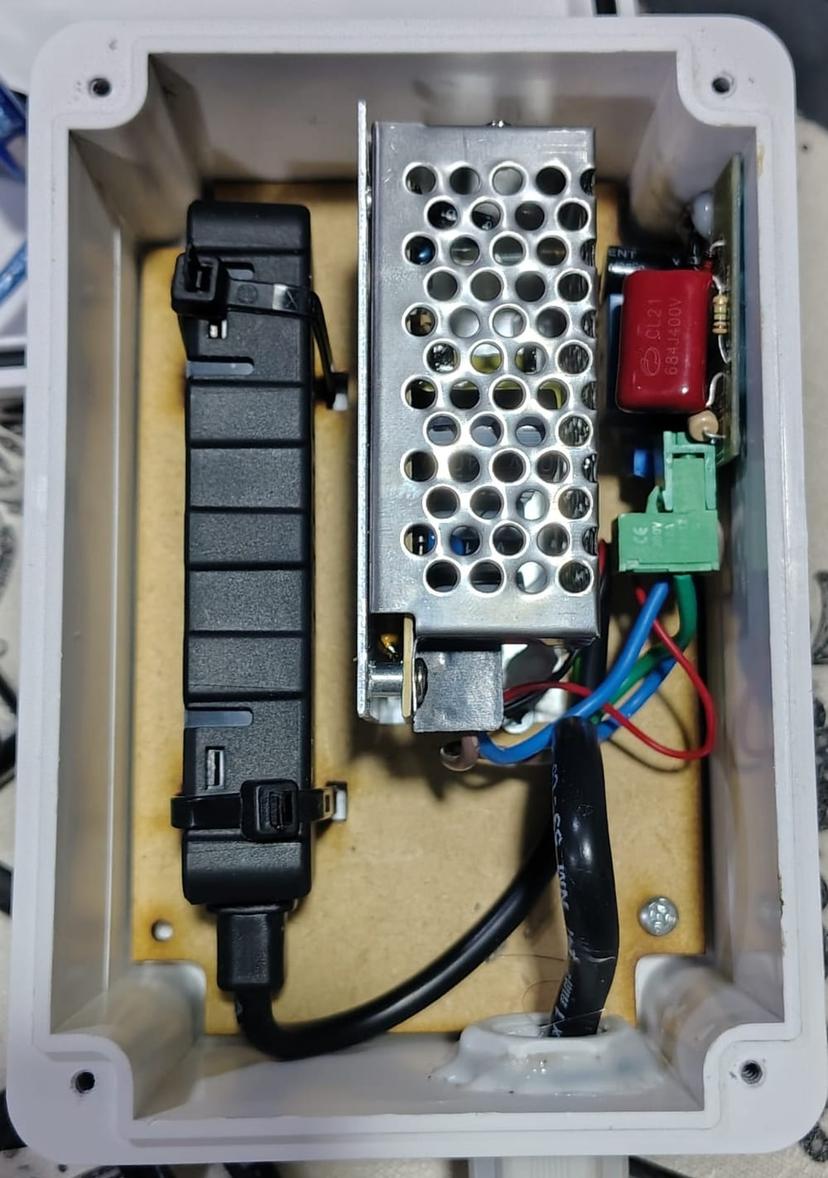
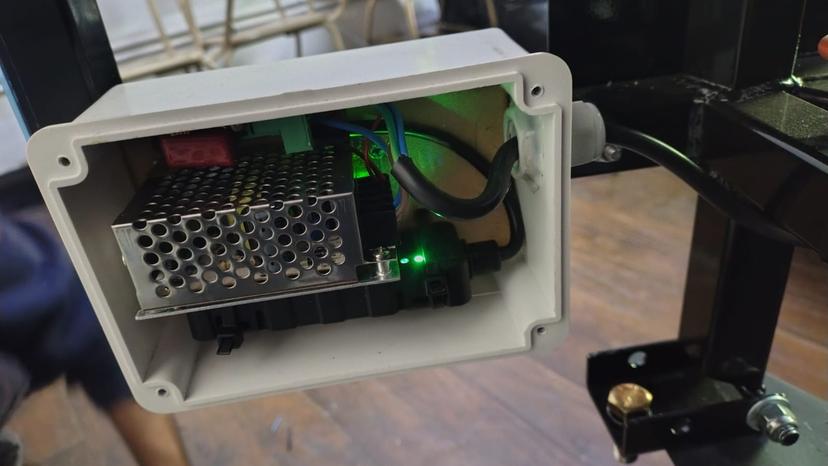
The enclosure is fixed to the table's frame:
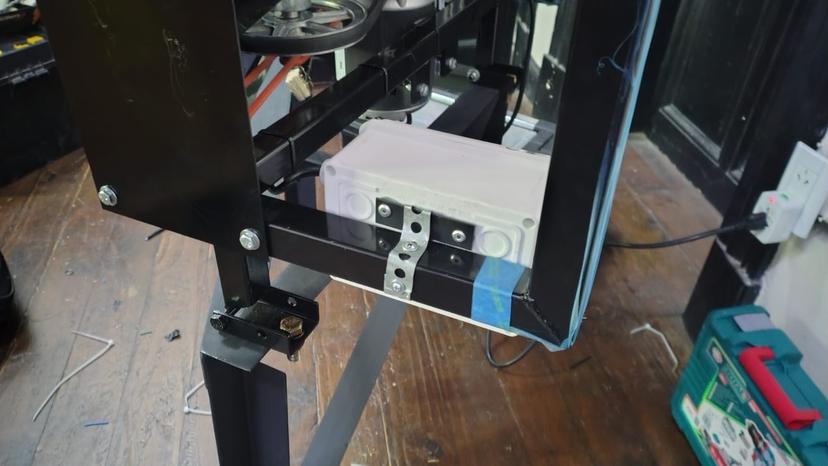
The Zero reports every switch-on and switch-off. With that data, Aker Control builds the running-hours report and the usage history of each table on its platform, along with the device's location.
💡 Why WiFi instead of cellular: Rinho devices come with WiFi built in. Wherever there is a Starlink, the device joins that network and reports to the platform just as if it had 4G. More details in WiFi and Starlink.
Commissioning: plug in and report
The table was prepared in the workshop before shipping to La Rioja. During the installation, the IT&T team supervised the work, connected to the device and spotted a wiring mistake by the technician, which was fixed on the spot.
Since the machine was already packed for the trip, there was no time to test it in the workshop. So IT&T pre-configured the plant's Starlink WiFi network on the device. When the table arrived on site, they plugged it in and the device started reporting immediately, with no one having to travel to set it up.
"They plugged it in, it powered up and started reporting immediately. The experience we had on this project was outstanding." — Facundo Llavar, Aker Control
Results
| Requirement | Result |
|---|---|
| Report with no cell coverage | ✅ Reports over WiFi via Starlink |
| Work indoors | ✅ Achieved, according to Aker |
| Running hours per table | ✅ Switch-on and switch-off events on the Aker platform |
| Table location | ✅ Visible on the platform |
| On-site commissioning | ✅ Plug in and report, no on-site setup |
Takeaways from this case
- A GPS tracker can also measure fixed machinery. With a power supply and a relay, the switch-on of any electric machine is read as a digital input.
- No cell signal does not mean no telematics. If the site has Starlink or any WiFi, a WiFi-enabled device still reports.
- Configuring before shipping saves trips. Loading the site's network in the workshop meant the installation in La Rioja was just plugging the device in.
- Teamwork multiplies results. Platform (Aker), engineering (IT&T) and hardware (Rinho), each one doing what it does best.
Resources
Rinho Telematics:
Companies in the project:
Related articles
- Aker Control: GPS platform for 15,000+ vehicles
- Starlink in mining: real-time GPS and video for 500+ vehicles
- GPS tracker with WiFi and Starlink
- GPS tracker for mining in LATAM
Do you have machinery at a site with no cell signal? Contact us and we will help you build the solution.
Related articles

Best GPS Trackers for Mining in LATAM (2026)
Technical guide to choosing a GPS tracker for mining operations in LATAM: why Starlink demands native WiFi, vendor comparison, and product mapping by use case.

Why Your Fleet Needs a GPS Tracker with WiFi
Satellite connectivity changed the game. Discover why GPS trackers with WiFi are the future for fleets in remote areas.
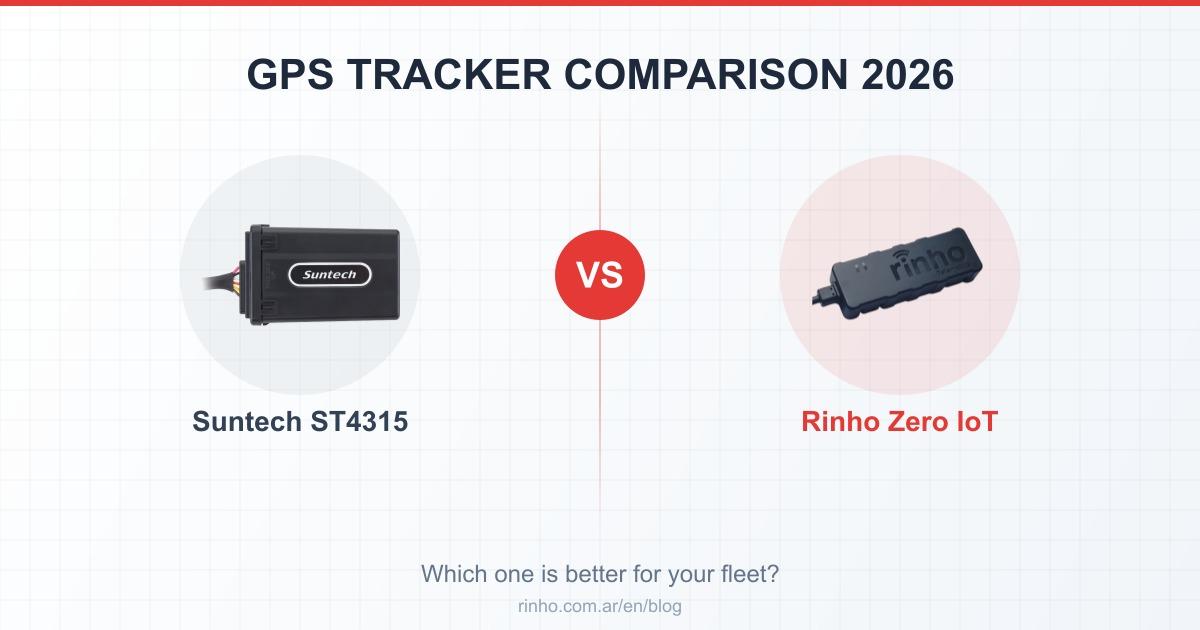
Suntech ST4315 vs Rinho Zero IoT: Entry-Level Trackers 2026
ST4315 vs Zero IoT: entry-level GPS tracker comparison. WiFi, BLE, LTE Cat-M1 vs Cat-1, IP67 vs IP65. Which is better for basic fleets?