Why Your Fleet Needs a GPS Tracker with WiFi
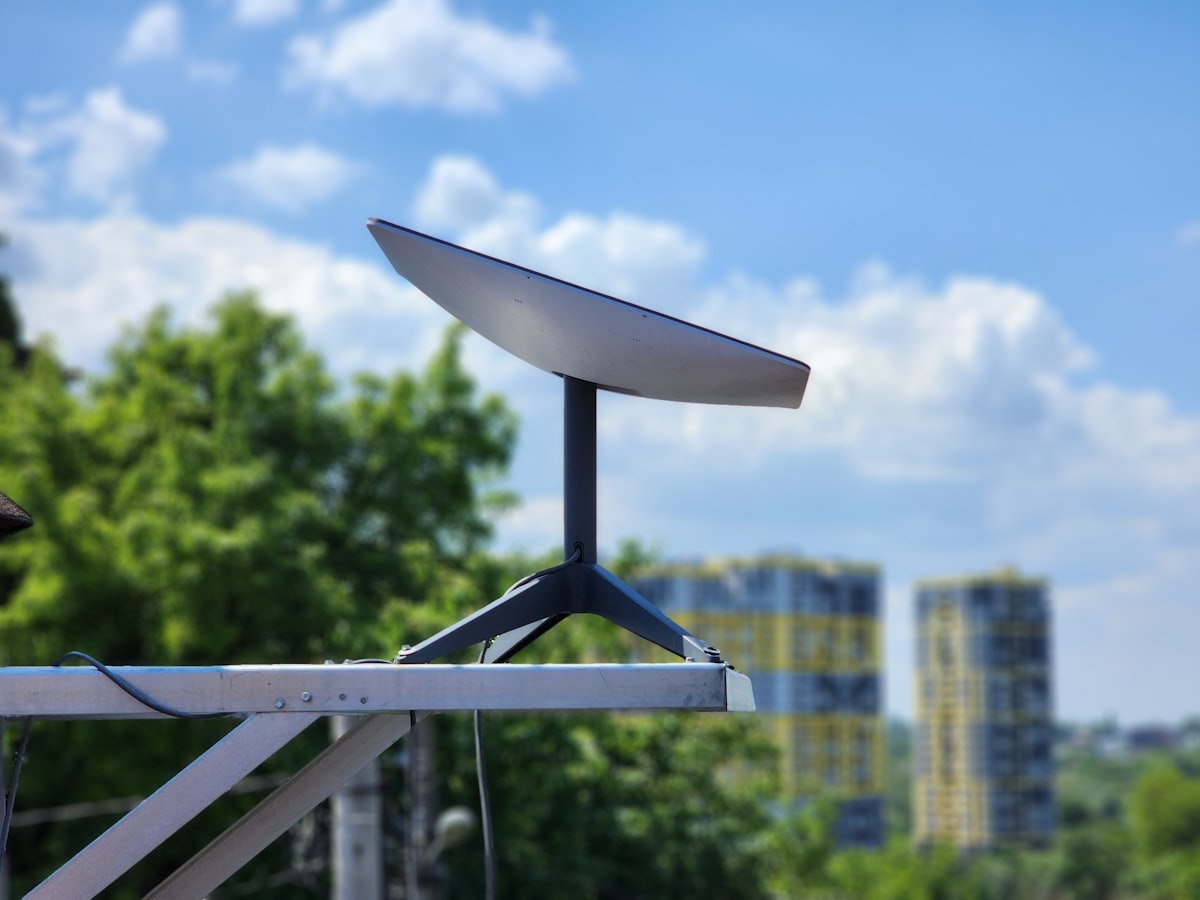
Satellite connectivity changed the game. Is your tracking system ready?
If you manage fleets in rural areas, mining, agriculture, or any remote operation, you probably know the problem: your vehicles enter areas without cellular coverage and you lose track. Hours or days without knowing where they are, what they consumed, if they had any event.
The traditional solution was expensive: satellite trackers at $1,500 USD or more, with data plans of $50 per month. Unfeasible for most operations.
But something changed in recent years: Starlink.
The Problem No One Solved
Search the market for a GPS tracker with integrated WiFi. You'll find very little.
Teltonika, the world leader with over 100 tracker models, has none with WiFi client. Queclink, Ruptela, Concox... the story repeats. Some premium manufacturers like Galileosky offer WiFi, but at prices above $200 USD.
Why did the major manufacturers ignore WiFi for years?
Because it didn't make sense before. Who has WiFi in the middle of a field? The connectivity infrastructure was tied to cellular networks, and manufacturers built their entire ecosystem around SIMs and mobile data.
Starlink Changed Everything
With more than 4 million subscribers and coverage in areas that were previously unthinkable, Starlink transformed the equation. Now there's WiFi at:
- Farms and agricultural fields
- Mining camps
- Remote construction sites
- Forestry fleets
- Oil operations
A Starlink router costs less than $500 USD and offers high-speed internet at any point in the country. The connectivity problem was solved... but GPS trackers still depend exclusively on cellular.
Dual-Path Architecture: The Best of Both Worlds
The solution isn't to replace cellular with WiFi, but to combine them intelligently. Learn more about our WiFi + Starlink feature.
A tracker with dual connectivity (4G LTE + WiFi) operates like this:
- On route with cellular coverage: Reports normally via mobile network
- In areas without coverage: Stores data in local memory
- When arriving at base with WiFi: Automatically downloads all history
- Intelligent failover: If cellular fails, tries WiFi and vice versa
The result: zero gaps in your information, no matter where your vehicles operate.
Real Use Cases
Agriculture and Livestock

Harvest equipment operates in fields where cellular signal is nonexistent. With WiFi at the farm headquarters (via Starlink), each harvester downloads its complete route, fuel consumption and alerts when returning at the end of the day.
Mining

Trucks operating within mining sites, where due to security or geography there's no mobile coverage. The camp WiFi becomes the sync point for the entire fleet.
Last Mile Logistics

Vehicles entering warehouses, industrial plants, or port areas where cellular signal is weak. The client's WiFi is used to download delivery data and update routes.
Forestry Transport
Trucks loading in remote forested areas. Each trip to base syncs hours of operation that would otherwise be lost.
What You Should Demand in a WiFi Tracker
Not all WiFi trackers are equal. These are the key features:
Real connectivity, not limited:
- WiFi 802.11 b/g/n (2.4 GHz) minimum
- Client mode (connection to existing networks), not just AP mode
- Sufficient local storage for days of operation without connectivity
- Automatic reconnection to known networks
Integration with your platform:
- Same communication protocol for WiFi and cellular
- No additional server configuration
- Transparent transition between channels
Reasonable price:
- WiFi shouldn't double the equipment cost
- Look for native integration, not external modules
All our devices (Spider IoT, Smart IoT and Zero IoT) include factory-integrated WiFi.
The Window of Opportunity
The telematics market moves slowly. Major manufacturers have 2-3 year development cycles, established distribution networks, and little urgency to change what works.
But operations in Latin America are different. We have:
- Enormous territorial extensions with irregular cellular coverage
- Accelerated adoption of Starlink (Argentina is one of the leading markets)
- Need for solutions adapted to our reality
Companies that adopt WiFi trackers now will have a real operational advantage: complete visibility of their fleets, no matter where they operate.
Conclusion
The GPS tracker with WiFi is not a luxury or a niche feature. It's the logical answer to a world where satellite connectivity democratized internet access in remote areas.
The question isn't whether major manufacturers will offer this functionality. The question is how long you'll wait losing data from your operations while it arrives.
At Rinho Telematics, we design all our trackers with integrated WiFi from day one. If you want to know how dual connectivity works in practice, contact us or explore our products.