Back to blog
IoT, CANBUS, WiFi, Technology, Integration, Telematics
ES • EN • PT
IoT + CANBUS + WiFi: The Complete Telematics Trifecta
The convergence of IoT, CANBUS, and WiFi creates a powerful telematics ecosystem. Here's how these technologies work together.
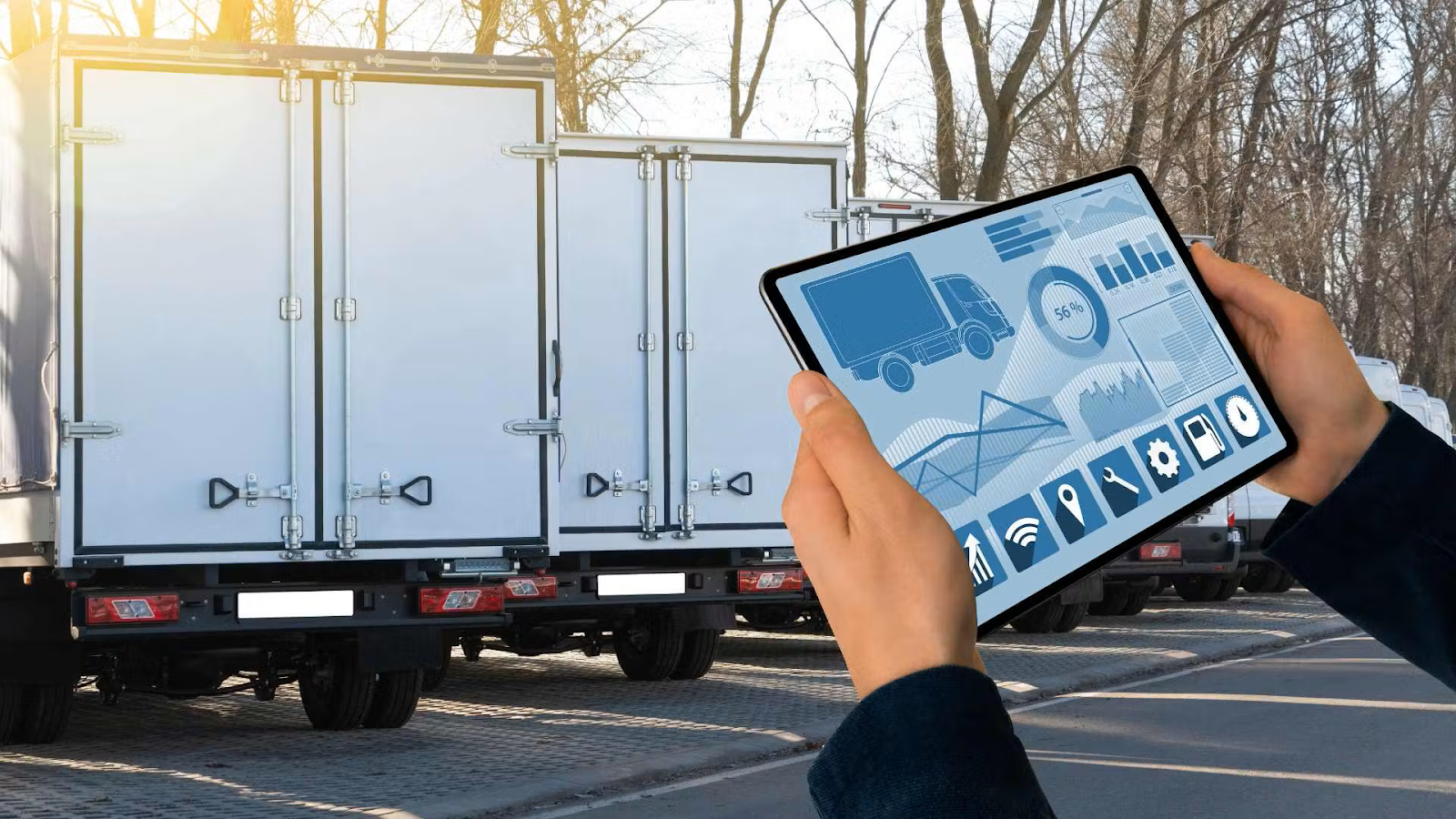
The Three Pillars
IoT (Internet of Things)
The connectivity foundation:
- Cellular networks: Always-on connection
- Cloud platforms: Data processing and storage
- Remote management: Configure from anywhere
- Scalability: Thousands of devices managed centrally
CANBUS
The vehicle data source:
- Rich data: Hundreds of parameters
- Real-time: Instant vehicle status
- Accurate: Direct from vehicle ECUs
- Standardized: Industry protocols
WiFi
The local connectivity layer:
- High bandwidth: Large data transfers
- Cost savings: No cellular data costs
- Local operations: Fleet yard connectivity
- Firmware updates: Quick, free updates
How They Work Together
Data Flow Architecture

Data flow from vehicle to platform: sensors, CANBUS, dual connectivity (4G/WiFi), and dashboard.
Complementary Roles
| Technology | Primary Role | Strength |
|---|---|---|
| CANBUS | Data collection | Depth of information |
| IoT | Real-time transmission | Always connected |
| WiFi | Bulk transfer | High speed, low cost |
Practical Benefits
Complete Vehicle Visibility
CANBUS provides comprehensive data:
- Engine parameters
- Fuel consumption
- Diagnostic codes
- Driver behavior metrics
Constant Connectivity
IoT ensures you're always connected:
- Real-time tracking
- Instant alerts
- Remote commands
- Continuous monitoring
Efficient Data Management
WiFi optimizes data handling:
- Offload large datasets
- Update firmware economically
- Configure devices locally
- Sync historical data
Use Case Examples
Daily Operations
- Morning: Vehicle starts, CANBUS captures engine data
- In transit: IoT transmits position and alerts in real-time
- Delivery: Door sensors trigger via digital inputs
- Return to base: WiFi syncs full day's detailed data
Maintenance Scenario
- CANBUS: Detects engine fault code
- IoT: Sends immediate alert to fleet manager
- WiFi: Downloads complete diagnostic log at shop
Firmware Update
- IoT: Notification of new firmware available
- WiFi: Device downloads update at depot
- Result: Updated features without cellular data costs
Rinho Implementation
Spider IoT
All three technologies integrated:
- CANBUS: Full protocol support
- IoT: Multi-band cellular
- WiFi: 2.4GHz connectivity
Smart IoT
Enhanced capabilities:
- CANBUS: Extended vehicle support
- IoT: 4G LTE connectivity
- WiFi: Dual-band support
- Plus: BLE sensor integration
Configuration Best Practices
CANBUS Setup
- Identify vehicle protocol
- Select relevant parameters
- Configure reporting triggers
- Test thoroughly
IoT Optimization
- Set appropriate reporting intervals
- Configure data compression
- Plan for coverage gaps
- Monitor data usage
WiFi Strategy
- Set up trusted networks
- Configure auto-connection
- Schedule bulk transfers
- Secure credentials
Technical Synergies
Data Prioritization
| Data Type | Channel | Reason |
|---|---|---|
| Location | IoT | Real-time needed |
| Alerts | IoT | Immediate action |
| CANBUS stream | WiFi | High volume |
| Firmware | WiFi | Large files |
| Historical | WiFi | Not time-critical |
Failover Handling
- No WiFi: Use IoT for all data
- No cellular: Store locally, sync via WiFi
- Both available: Optimize by data type
Future Evolution
Emerging Capabilities
- 5G: Faster IoT connections
- WiFi 6: Better yard connectivity
- Extended CANBUS: More vehicle data
- Edge computing: Local processing
Integration Trends
- More seamless technology switching
- AI-powered data optimization
- Enhanced security protocols
- Broader ecosystem connectivity
Conclusion
The combination of IoT, CANBUS, and WiFi delivers complete telematics capability. Rinho devices integrate all three for powerful fleet management.
Want to leverage the full technology stack? Contact us.