Fleet Fuel Control: Complete Guide to Reducing Costs
In a context where fuel prices continue to rise, fuel consumption control has become a critical strategy for any transportation or logistics company.
💰 Key fact: Fuel represents between 25% and 40% of a fleet's operating costs. A 10% savings can mean thousands of dollars per year.
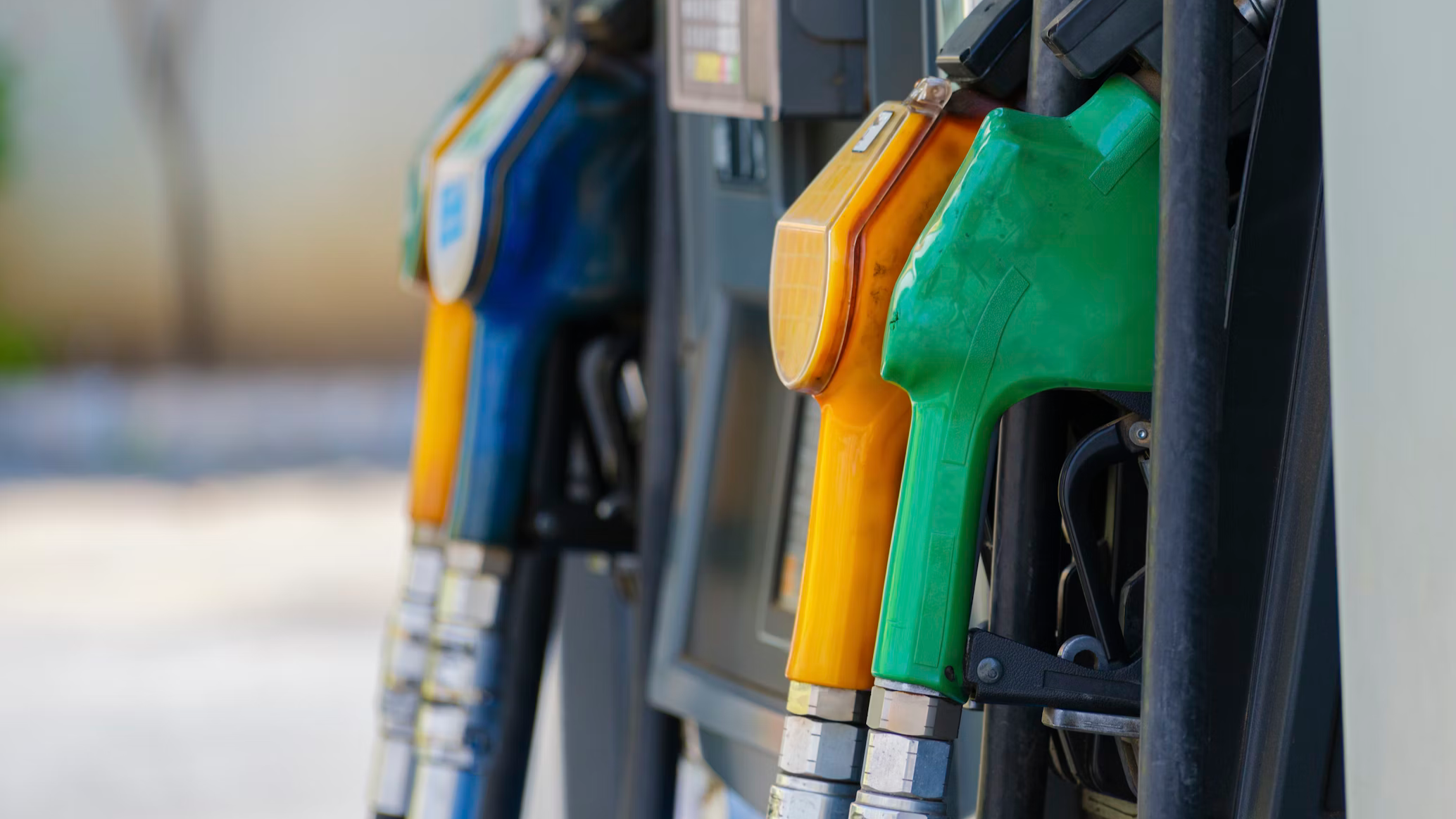
Why is Fuel Control Critical?
| Impact | Benefit |
|---|---|
| 💵 Economic | Direct reduction in operating expenses |
| 🌍 Environmental | Lower carbon footprint |
| 📊 Operational | Detection of leaks and theft |
| 🏆 Competitive | Healthier margins |
Technologies for Monitoring Fuel
1. CAN Bus Reading (Recommended)
The most accurate and non-invasive way to monitor fuel. Rinho Spider IoT and Rinho Smart IoT devices read data directly from the vehicle's ECU:
✅ Instant consumption (L/h)
✅ Accumulated consumption (total L)
✅ Tank level (%)
✅ No additional sensor installation
📖 Learn more about ECU reading via CAN Bus
2. Fuel Level Sensors
For vehicles without CAN Bus or when greater precision is required:
- Capacitive sensors: High precision, tank installation
- Ultrasonic sensors: No contact with fuel
- BLE sensors: Wireless installation, easy to retrofit
📖 Read our success story with ESCORT TD-BLE sensor
3. Distance and Theoretical Consumption Calculation
Basic method that compares actual vs. expected consumption based on kilometers traveled.
5 Strategies to Reduce Consumption
1. Control Excessive Idling
Idling consumes between 0.8 and 1.5 liters per hour depending on the vehicle. With telematics you can:
- Detect idle times by driver
- Configure alerts when exceeding X minutes
- Generate rankings and train worst performers
Typical savings: 5-10% of total fuel
2. Monitor Driving Style
Harsh accelerations and braking increase consumption by up to 30%. The maneuver detection module identifies:
- Harsh accelerations
- Aggressive braking
- Speeding
- Dangerous curves
3. Optimize Routes
Avoid unnecessary detours and traffic. Integrated platforms enable:
- Optimal route planning
- Planned vs. actual route comparison
- Unauthorized detour detection
4. Preventive Maintenance
A poorly maintained vehicle consumes up to 15% more:
- ✅ Correct tire pressure
- ✅ Clean air filters
- ✅ Alignment and balancing
- ✅ Engine in good condition
5. Detect Theft and Leaks
Tank level monitoring detects:
- Sudden fuel drops (theft/siphoning)
- Abnormal consumption (leaks)
- Unauthorized refueling
ROI Calculation: How Much Can You Save?
Example: Fleet of 20 trucks
| Concept | Value |
|---|---|
| Average consumption | 9.2 gal/100mi (35 L/100km) |
| Monthly km per truck | 5,000 miles (8,000 km) |
| Fuel price | $4.50 USD/gal ($1.20 USD/L) |
| Total monthly expense | $67,200 USD |
With fuel control (10% savings): $6,720 USD/month = $80,640 USD/year
Telematics investment: ~$3,000 USD (20 devices)
ROI: Investment recovered in less than 1 month.
Available Tools
| Solution | Ideal for | Cost |
|---|---|---|
| Excel spreadsheets | Small fleets, basic control | Free |
| Rinho devices + Platform | Complete real-time control | $$ |
| BLE fuel sensors | Vehicles without CAN Bus | $ |
Conclusion
Fuel consumption control not only allows immediate cost savings but also represents an investment in sustainability and operational efficiency.
Keys to success:
- ✅ Implement monitoring technology (CAN Bus or sensors)
- ✅ Train drivers in efficient driving
- ✅ Maintain vehicles in optimal conditions
- ✅ Analyze data and act on anomalies
Remember: every liter counts. As fuel represents a significant cost, controlling it can make a big difference in your profitability.
Ready to Optimize Your Fuel Consumption?
Explore Rinho solutions and discover how you can start saving today. Contact us for personalized advice.
Learn more about our fuel control feature.