The Future of Transportation with IoT Technology
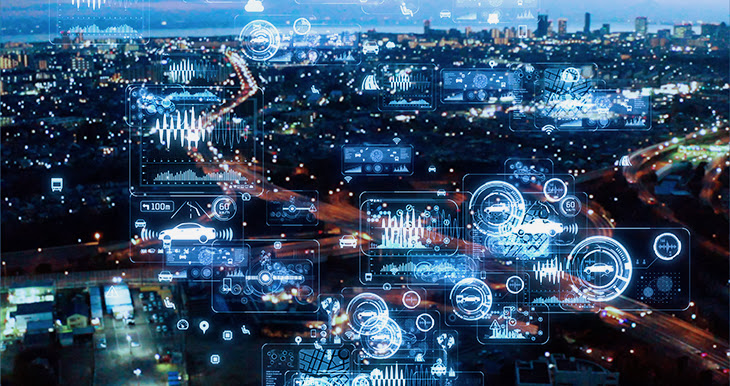
In an increasingly connected world, the Internet of Things (IoT) is becoming a fundamental pillar in the evolution of transportation and logistics. The ability to connect vehicles, infrastructure, and devices in real-time is revolutionizing how we manage our fleets and cargo. But what can we expect from the future, and how will IoT technology play a crucial role in this transformation?
1. Real-Time Monitoring for Greater Efficiency
IoT enables real-time monitoring of vehicles and cargo, translating into greater operational efficiency. With devices like the Rinho Spider IoT and Smart IoT, companies can obtain precise data on location, speed, vehicle status, and cargo conditions.
Key capabilities include:
- Live GPS tracking with updates every few seconds
- Engine diagnostics through CANBUS integration
- Temperature and humidity monitoring for sensitive cargo
- Driver behavior scoring and alerts
This information is essential for optimizing routes, reducing delivery times, and decreasing fuel consumption. Companies implementing comprehensive IoT monitoring typically see 15-25% improvements in operational efficiency.
2. Predictive Maintenance: Anticipating Problems
Thanks to data collected by IoT devices, companies can predict mechanical failures before they occur. Predictive maintenance is becoming standard practice, reducing downtime and costs associated with unexpected repairs.
How it works:
- Continuous analysis of key vehicle parameters (engine temperature, oil pressure, tire pressure)
- Machine learning algorithms that identify patterns preceding failures
- Automated alerts when maintenance is needed
- Integration with fleet management systems for scheduling
Real-world impact:
| Metric | Improvement |
|---|---|
| Unplanned downtime | Reduced by 35-45% |
| Maintenance costs | Decreased by 25-30% |
| Vehicle lifespan | Extended by 10-15% |
3. Enhanced Road Safety
Road safety is a priority, and IoT is playing a crucial role in its improvement. Rinho Telematics devices allow real-time monitoring of driver behavior, detecting dangerous maneuvers and alerting fleet operators about potential risks.
Safety features include:
- Harsh braking detection - Identifies sudden stops
- Rapid acceleration alerts - Flags aggressive driving
- Speeding notifications - Monitors speed limit compliance
- Fatigue indicators - Tracks driving hours and patterns
- Collision detection - Automatic crash notifications
This immediate response capability can prevent accidents and save lives. Fleets using IoT-based safety monitoring report 20-40% reductions in accident rates.
4. Autonomous Transport: Is the Future Closer Than We Think?
Autonomous transport is one of the areas where IoT has enormous potential. Autonomous vehicles depend on a network of connected sensors and devices to navigate and make real-time decisions.
Current developments:
- Level 2-3 autonomy already available in many commercial vehicles
- Platooning technology enabling truck convoys with reduced following distances
- Warehouse automation with autonomous vehicles moving goods
- Last-mile delivery robots and drones in urban environments
Although this technology is still developing, we're already seeing the first steps toward a future where autonomous vehicles will be a common reality on our roads. IoT infrastructure being deployed today will form the backbone of tomorrow's autonomous transportation network.
5. Sustainability and Emissions Reduction
Sustainability is another key factor driven by IoT. By optimizing routes, improving fuel efficiency, and reducing vehicle idle time, companies can significantly decrease their carbon footprint.
Environmental benefits:
- Route optimization reduces unnecessary kilometers traveled
- Idle time reduction through automatic engine alerts
- Eco-driving coaching based on real-time feedback
- EV fleet management for electric vehicle optimization
- Carbon footprint tracking for sustainability reporting
Intelligent use of data also allows fleets to adopt more eco-friendly practices and comply with increasingly strict environmental regulations. Companies using IoT for sustainability typically achieve 10-20% reductions in emissions.
6. Intelligent Fleet Management
The future of transportation lies in intelligent fleet management. The integration of IoT systems with advanced analytics platforms allows companies to have complete control over their operations.
Comprehensive management includes:
- Route planning with real-time traffic integration
- Driver performance tracking with actionable insights
- Asset utilization optimization ensuring vehicles aren't sitting idle
- Compliance management for hours-of-service and regulatory requirements
- Cost analysis identifying opportunities for savings
Everything is managed from a single platform, providing an integral and real-time view of the entire fleet. This unified approach eliminates data silos and enables faster, better-informed decision-making.
7. The Connected Vehicle Ecosystem
Beyond individual vehicle tracking, IoT is enabling a connected ecosystem where:
- Vehicles communicate with infrastructure (V2I) for traffic light timing and road condition updates
- Vehicles communicate with each other (V2V) for collision avoidance and platoon formation
- Integration with smart cities for parking availability and charging station locations
- Supply chain visibility from warehouse to final delivery
This ecosystem approach multiplies the benefits of individual IoT devices, creating a transportation network that's greater than the sum of its parts.
Conclusion: Preparing for the Future
The Internet of Things is reshaping transportation in ways we could barely imagine just a few years ago. IoT devices like those from Rinho Telematics are at the forefront of this revolution, offering solutions that not only improve operational efficiency but also increase safety and reduce environmental impact.
The future of transportation is:
- ✅ Intelligent
- ✅ Connected
- ✅ Safer
- ✅ More sustainable
- ✅ Cost-effective
All thanks to IoT technology.
Are you ready to take your fleet to the next level? Contact us and discover how IoT technology can transform your business!