Back to blog
Tutorial, Temperature Sensor, Installation, Cold Chain, Configuration, BLE
ES • EN • PT
Temperature Sensor: Installation Tutorial
Temperature monitoring is critical for cold chain logistics. This tutorial guides you through installing and configuring temperature sensors with your Rinho device.
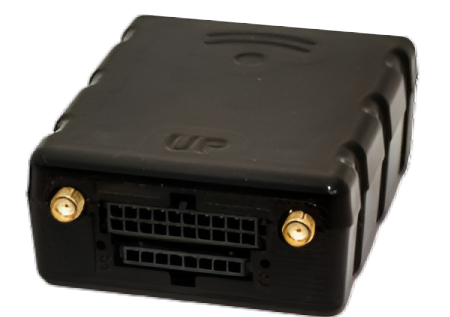
Video Tutorial
Watch our tutorial on iButton temperature sensor:
Why Monitor Temperature?
Temperature monitoring is essential for:
- Pharmaceutical transport: Vaccines, medications
- Food logistics: Fresh produce, frozen goods
- Chemical transport: Temperature-sensitive materials
- Compliance: Regulatory requirements
Sensor Options
BLE Temperature Sensors
Wireless sensors that connect via Bluetooth:
- Advantages: Easy installation, no wiring
- Range: Up to 10 meters from device
- Battery life: 1-2 years typical
- Accuracy: ±0.3°C typical
Wired Temperature Sensors
Direct connection to device:
- Advantages: Reliable, no battery needed
- Installation: Requires wiring
- Response time: Faster updates
- Best for: Permanent installations
Installation Guide
BLE Sensor Installation
Step 1: Prepare the Sensor
- Remove sensor from packaging
- Activate the sensor (if required)
- Note the sensor ID/MAC address
Step 2: Position the Sensor
Place the sensor where temperature is representative:
- Away from cooling unit direct airflow
- Not touching walls or floor
- Protected from physical damage
- Accessible for battery replacement
Step 3: Configure on Device
- Enable BLE scanning on your Rinho device
- Add the sensor MAC address to the configuration
- Set the scanning interval (recommended: 30-60 seconds)
- Configure transmission parameters
Step 4: Platform Configuration
- Create a temperature sensor on your platform
- Map the sensor data to the correct parameter
- Set up alerts for temperature thresholds
- Configure reports
Wired Sensor Installation
Step 1: Plan the Installation
- Identify cable routing
- Plan sensor placement
- Ensure cable length is sufficient
Step 2: Connect the Sensor
- Connect to the appropriate input on your Rinho device
- Secure cable routing
- Protect connections from moisture
Step 3: Configure the Device
- Enable the temperature input
- Set calibration values if needed
- Configure transmission interval
Platform Configuration
Alert Setup
Configure alerts for:
| Alert Type | Example Threshold |
|---|---|
| High temperature | > 8°C for refrigerated |
| Low temperature | < -20°C for frozen |
| Sensor failure | No reading for 10 minutes |
| Rapid change | > 5°C in 15 minutes |
Reports
Set up regular reports:
- Temperature history charts
- Min/max/average per trip
- Time outside acceptable range
- Compliance documentation
Best Practices
Sensor Placement
- Use multiple sensors for large cargo areas
- Place at different heights (warm air rises)
- Consider door proximity
Calibration
- Calibrate sensors periodically
- Use reference thermometers for verification
- Document calibration dates
Maintenance
- Replace BLE sensor batteries before depletion
- Check wired sensor connections
- Clean sensors if contaminated
Troubleshooting
| Issue | Solution |
|---|---|
| No readings | Check sensor is active and in range |
| Inaccurate readings | Recalibrate sensor |
| Intermittent data | Check BLE signal interference |
| Wrong values | Verify platform configuration |
Conclusion
Temperature monitoring with Rinho devices is straightforward once properly configured. Follow this guide for reliable cold chain monitoring.
Need assistance? Contact us for support.